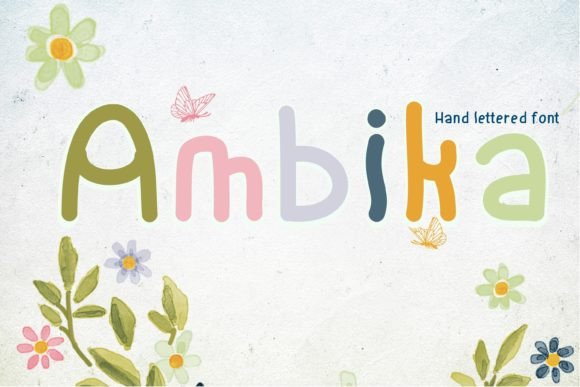
Ambika: The Handwritten Font That Makes Your Brand Feel Real
Running a small business means wearing every hat. You are the CEO, the marketer, the designer, and the customer service rep all at once. In this chaotic world of branding, it is easy to get lost in the noise of overly polished, corporate-looking templates. But customers don’t just buy products; they buy feelings. They want to connect with the human behind the brand. This is where Ambika, a simple, quirky, and informal handwritten font, changes the game for entrepreneurs who want their visual identity to feel authentic rather than artificial.
As someone who has spent years tweaking logos and designing packaging for handmade goods, I have learned that consistency builds trust. When your fonts look disjointed—mixing rigid corporate sans-serifs with playful scripts that clash—it confuses your audience. Ambika offers a solution that bridges the gap between professional polish and personal warmth. It is not just another decorative typeface; it is a tool for creating a cohesive brand story that resonates with real people.
Why Authenticity Matters in Modern Branding
We live in an era of digital saturation. Every time a potential customer opens their phone, they are bombarded with sleek, minimalist ads from massive corporations. To stand out as a small business or startup founder, you cannot compete on scale, but you can compete on soul. A script handwritten style like Ambika brings a tactile, human element to your designs. It mimics the natural flow of handwriting, which subconsciously signals effort, care, and personal attention.
When you use Ambika for your brand materials, you are signaling that there is a person behind the screen. Whether you are selling artisanal candles, offering coaching services, or running a boutique café, this font adds a layer of realism to your marketing. It makes your brand feel approachable and trustworthy. Instead of looking like a faceless entity, your business begins to look like a neighbor you would recommend to a friend. This emotional connection is crucial for building loyalty in competitive markets.
Practical Applications Across Business Touchpoints
The versatility of Ambika lies in its ability to adapt to various business needs without losing its character. Here is how I have seen entrepreneurs successfully integrate this creative font into their daily operations:
- Product Labels and Packaging: For handmade soap makers or boutique owners, product labels are your first physical touchpoint. Ambika’s quirky nature works beautifully on kraft paper tags, sticker labels, and gift boxes. It adds a "handmade" vibe that mass-produced items simply cannot replicate.
- Social Media Graphics: On platforms like Instagram and Pinterest, visuals need to stop the scroll. Using Ambika for headlines in your posts creates immediate visual interest. It breaks the monotony of standard text blocks and draws the eye to your key message.
- Digital Marketing Assets: From email newsletters to website banners, Ambika serves as an excellent accent font. It can highlight special offers, new arrivals, or welcome messages, adding personality to your web design.
- Customer-Facing Materials: Thank-you cards, invoice covers, and business cards benefit greatly from a handwritten touch. A thank-you note signed with a font that looks hand-written feels significantly more genuine than one typed in Arial.
For example, a local bakery might use Ambika for the name on their cupcake wrappers, while a life coach might use it for quotes on their LinkedIn posts. In both cases, the font reinforces the brand’s identity as personal and caring.
Building a Professional and Consistent Look
One of the biggest mistakes small business owners make is using too many different fonts. This leads to a cluttered, unprofessional appearance. Ambika helps solve this by providing a strong, distinctive voice that can anchor your brand identity. However, because it is a display font with significant personality, it works best when paired correctly.
To maintain readability and professionalism, pair Ambika with a clean, neutral typeface. A modern sans serif font is often the best choice for body text, menus, or detailed descriptions. The contrast between the expressive, informal Ambika and the structured simplicity of a sans serif creates a balanced hierarchy. Alternatively, pairing it with a classic serif font can lend a touch of elegance, suitable for high-end beauty products or wedding planning services.
This strategy ensures that while your headlines grab attention with Ambika’s quirky charm, your important information remains easy to read. Consistency in this pairing across all your assets—from your website to your printed flyers—creates a recognizable visual language that customers will start to associate with your business.
Readability and Technical Considerations
While Ambika is stylish, practicality must always come first. As a premium font intended for commercial use, its effectiveness depends on how you apply it. Readability varies depending on the context. On large formats like posters or website hero banners, Ambika shines. However, on small product labels or mobile screens, long paragraphs of text in this font may become difficult to decipher.
I recommend using Ambika primarily as a headline, logo design element, or short accent text. Avoid using it for lengthy legal disclaimers, ingredient lists, or detailed terms and conditions. If you need to convey complex information, stick to a highly legible supporting typeface. Testing your designs is essential. Print out your labels or view your social media graphics on actual mobile devices to ensure the font size and spacing are optimized for clarity.
Choosing the Right Type for Your Brand Identity
Not every business needs a handwritten aesthetic. Ambika is ideal for brands that want to project creativity, informality, and warmth. It fits perfectly with lifestyle brands, creative agencies, food and beverage businesses, and artisanal product sellers. If your brand is strictly corporate, financial, or medical, this quirky script might undermine the authority you wish to project. But for most entrepreneurs looking to build a community around their work, Ambika is a powerful ally.
Before committing to Ambika for your entire brand suite, take time to experiment. Create mockups for your business card, Instagram post, and main logo. See how it interacts with your color palette and imagery. Does it feel like *you*? If the answer is yes, you have found a font that will serve your business well.
Commercial Licensing and Best Practices
Finally, always remember the legal side of using design assets. Ambika is a commercial font, meaning you must purchase the appropriate license to use it for business purposes. This includes using it on merchandise, packaging, client work, and digital downloads. Using unauthorized versions can lead to costly legal issues that hurt your growing business. Check the specific licensing terms provided by the creator to ensure you are covered for your intended use cases.
In conclusion, Ambika is more than just a pretty typeface. It is a strategic tool for small business owners who want to inject authenticity into their brand. By using it wisely alongside clean supporting fonts, you can create a professional, consistent, and memorable identity that connects with your customers on a human level. In a digital world, sometimes the most powerful thing you can do is show your handwriting.