Alyphant: A Handwritten Typeface for Modern Web Design
As a web designer, I often look for fonts that not only stand out visually but also align with the brand’s tone and purpose. Alyphant, a casual, hand-written typeface, brings a unique blend of whimsy and professionalism to digital projects. It's ideal for creating warm, approachable interfaces without sacrificing clarity or visual impact.
The Charm and Character of Alyphant
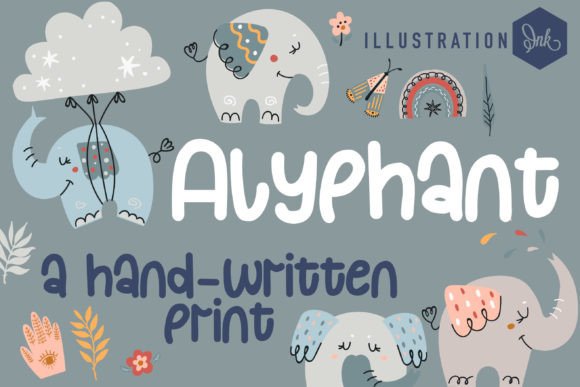
At first glance, Alyphant feels like it was crafted by a real person — each character flows naturally, echoing the spontaneity of handwritten text. Its playful yet polished style makes it versatile enough to work in both creative and professional settings. The font features soft curves, open apertures, and subtle variations in stroke weight, which give it a youthful energy while maintaining legibility on screens.
This kind of personality is especially valuable when designing for brands that want to feel more human, personal, or artistic. Whether you're working on a boutique online store or a creative portfolio site, Alyphant can help your content feel more inviting and authentic.
Applying Alyphant in Real-World Web Layouts
Alyphant shines in areas where emotional connection matters most. Here are some practical use cases:
- Hero Sections: Use Alyphant as a bold header in hero sections to capture attention immediately. Its script nature adds a dynamic touch that stands out from typical sans-serif or serif headlines.
- Landing Pages: Incorporate it into call-to-action buttons or taglines to create a sense of warmth and trust. This can be particularly effective for coaching websites or SaaS landing pages focused on creativity or lifestyle niches.
- Brand Headers and Logo Text: Alyphant can serve as a primary display font for logos or brand headers. Its natural flow gives off a personalized vibe that resonates well with audiences looking for authenticity.
- Blog Headers and Social Media Graphics: For bloggers or content creators, using Alyphant in post titles or social media visuals can make the content feel more engaging and shareable.
- Portfolio Sites and Creative Agencies: If you’re designing for artists, designers, or other creatives, Alyphant helps reinforce their individuality and artistic flair.
Readability and Visual Hierarchy
While many handwritten fonts struggle with readability, Alyphant has been thoughtfully designed to maintain clarity even at smaller sizes. Its open letterforms and generous spacing ensure that it doesn’t become too dense or difficult to read in digital environments.
When using Alyphant in a layout, consider its role in the visual hierarchy. Because of its expressive nature, it’s best suited for short phrases rather than long blocks of text. Think of it as a decorative accent that highlights key messages, such as product names, event titles, or motivational quotes on a sales page.
To maintain a balanced design, pair Alyphant with a clean, modern sans-serif or a refined serif font for body copy. This contrast ensures that users can easily scan through content while still being drawn in by the headline’s charm.
Optimizing Readability Across Devices
Web design today must account for multiple screen sizes and contexts. Alyphant performs well on desktops, tablets, and mobile devices when used appropriately. For mobile screens, stick to bolder weights and larger font sizes to preserve legibility. Avoid using it in small buttons unless paired with ample padding and clear contrast against the background.
When applying Alyphant over images, especially on dark or textured backgrounds, consider adjusting the opacity or adding a subtle outline to improve visibility. Always test how the font renders across different browsers and operating systems to ensure consistent appearance.
Building Brand Identity with Alyphant
Typography plays a crucial role in shaping a brand’s identity. Alyphant offers a distinct personality that can support a range of brand tones — from fun and experimental to thoughtful and artisanal. It’s perfect for startups, creative agencies, or niche businesses aiming to differentiate themselves in a crowded market.
If you're working on a brand-focused website or digital assets, Alyphant can unify your message across various platforms. From email newsletters to app icons and banners, the font maintains a cohesive aesthetic that reinforces your brand’s voice and values.
Font Pairing Suggestions
Pairing Alyphant effectively enhances its usability and strengthens the overall design system. Here are a few tried-and-true combinations:
- Sans Serif Companions: Try pairing Alyphant with minimalist sans serifs like Inter, Lato, or Roboto. These fonts provide a neutral backdrop that lets Alyphant take center stage without overwhelming the reader.
- Editorial Style Serifs: For a more sophisticated look, match it with a classic serif like Merriweather or Playfair Display. This works well for blog sites, editorial-style portfolios, or course landing pages with an educational tone.
- Monospaced Fonts for Code Blocks: In tech or developer-oriented designs, combine Alyphant with a monospaced font like Fira Code or Source Code Pro for a harmonious balance between creativity and technicality.
Technical Considerations for Digital Projects
Before integrating Alyphant into a project, check the included styles and file formats. Does it offer enough weights and widths for different design needs? Are there alternate characters or ligatures that enhance its stylistic versatility?
Most importantly, confirm whether it's available as a webfont. Webfonts ensure consistent rendering across all devices and avoid the risk of mismatched typefaces due to system defaults. If you plan to use Alyphant in commercial projects, always review the licensing terms. Is it suitable for client websites, online stores, or digital templates? Clear permissions will save time and prevent legal issues down the line.
Also, evaluate multilingual support if your audience spans multiple regions. Alyphant may include Latin, Cyrillic, or Greek characters depending on the version, making it adaptable for international branding efforts.
Where to Use Alyphant Most Effectively
Alyphant excels in specific roles within a design system. Here's how I recommend using it:
- Hero Titles: Ideal for large, eye-catching headlines in marketing or promotional content.
- Section Headings: Works great for breaking up content with a touch of personality.
- Buttons and CTAs: Adds a friendly, approachable feel to action-driven elements.
- Logo Text: Gives a fresh, humanized twist to brand logos.
- Decorative Accents: Use sparingly for emphasis in testimonials, feature lists, or special announcements.
However, it’s not recommended for body text or dense paragraphs. Stick to shorter, impactful phrases where the font’s expressive qualities can shine without compromising user experience.
Case Studies and Practical Examples
Let’s explore how Alyphant could fit into a few common design scenarios:
Example 1: Creative Portfolio Site
A photographer or illustrator might use Alyphant in their main navigation bar and about section headings. Paired with a sleek sans-serif for descriptions and project details, the font adds a personal touch that reflects their artistic process.
Example 2: Boutique Online Store
In a fashion or handmade goods e-commerce site, Alyphant could appear in product category titles or seasonal sale banners. It complements product photography and encourages a sense of curation and craftsmanship.
Example 3: Course Sales Page
For a course promoting creativity or writing skills, Alyphant would be a fitting choice for the hero title and chapter headings. It creates a welcoming atmosphere that aligns with the learning experience.
Commercial Use and Licensing
When selecting a font for a client project or business website, always verify the licensing terms. Alyphant, if offered as a commercial font, should clearly state its usage rights for web design, including embedding in CSS, use on client sites, and integration into digital products like online courses or downloadable templates.
Some premium fonts require separate licenses for web and print use, so clarify whether one license covers all intended applications. Also, consider if the font supports extended usage for things like social media graphics or branded packaging design. These factors ensure that your design assets remain compliant and scalable.
Final Takeaways for Designers
Alyphant is more than just another script font; it’s a tool that can elevate the emotional appeal of a digital interface. When used thoughtfully, it helps establish a strong brand identity and guides users’ attention toward key messaging points.
Whether you're crafting a conversion-focused landing page or building a set of design assets for a new brand launch, Alyphant offers a compelling alternative to standard display fonts. Its combination of youthfulness and readability makes it a solid choice for any project that benefits from a more human-centered typographic approach.